


The Rise of Cashless Society
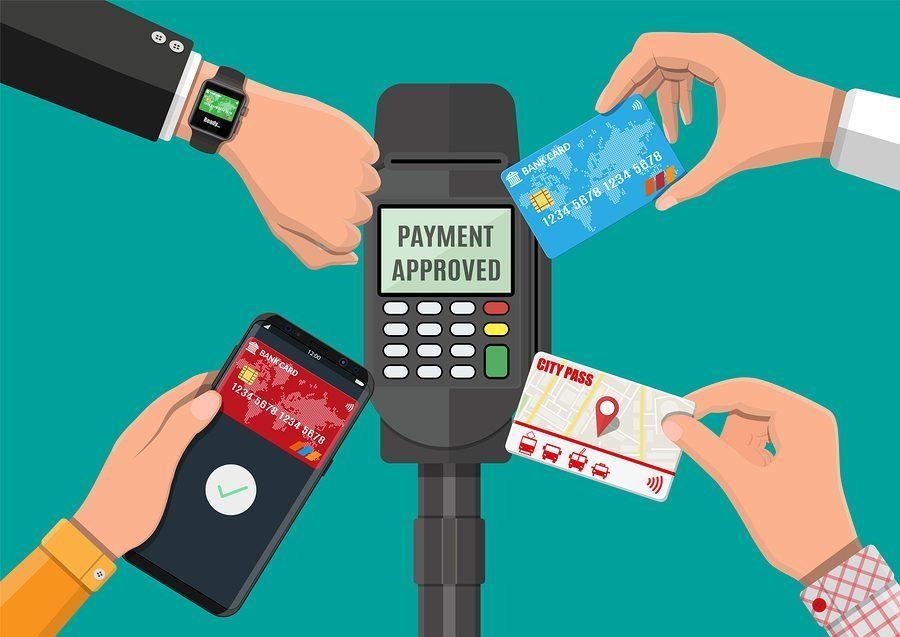
When the Covid-19 pandemic spread around the globe, many banks took action. The Federal Reserve began to quarantine money, while in some regions of China, banknotes were taken away and disinfected. At the same time, banks encouraged the public to avoid using cash and make electronic payments where possible. The public responded positively. In the UK, the number of contactless payments increased by 36% between 2020 and 2021.
To day, many people are embracing the cashless economy. After all, it comes with many advantages. For a start, it’s safer, as cash is easily stolen. Credit and debit cards are too, but it’s possible to trace payments and cancel the cards. Mobile payments are even more secure. As well as that, all your transactions are logged, making record-keeping far simpler. Banks, businesses and governments are also keen to make the transition. Cashless transactions make it easier for them to collect data, identify economic trends and detect fraud.
However, it seems as if we are just not ready to say goodbye to cash for good. Recent data shows that cash has made a comeback since the cost of living started to rise steeply. That’s not unusual since people tend to prefer having paper money at hand when times are hard. It was the case during the USA’s Great Depression and in Iceland during the Credit Crunch of 2008. Using notes and coins helps people budget, whereas, with electronic payments, it’s harder to keep track of where your money is going.
Even if cash payments do not vanish entirely, our economies are transitioning to become far less reliant on cash than they once were. And while switching to electronic payments is simple and convenient for many people, this isn’t true for everyone. There are concerns about those who rely on cash, such as the homeless, the undocumented or the elderly. An increasing number of stores have stopped accepting cash payments altogether, meaning that such people may become more marginalised. Moreover, alongside the decline in cash usage, the number of ATMs and local banks has dropped significantly. This makes access to cash increasingly hard for those who depend on it.
Despite the popularity of electronic transactions, it’s clear that they won’t become the sole transaction method, at least in the near future. And as companies rush towards finding ever more convenient transaction methods, it’s important not to abandon those who prefer to pay in the traditional way.
Answer the question below.
- According to the text, why did banks and governments encourage the public to use electronic payments during the Covid-19 pandemic?
- What are the main advantages of a cashless economy for individuals, businesses, and governments?
- What are the negative consequences of moving towards a cashless society, especially for the elderly or the homeless?


